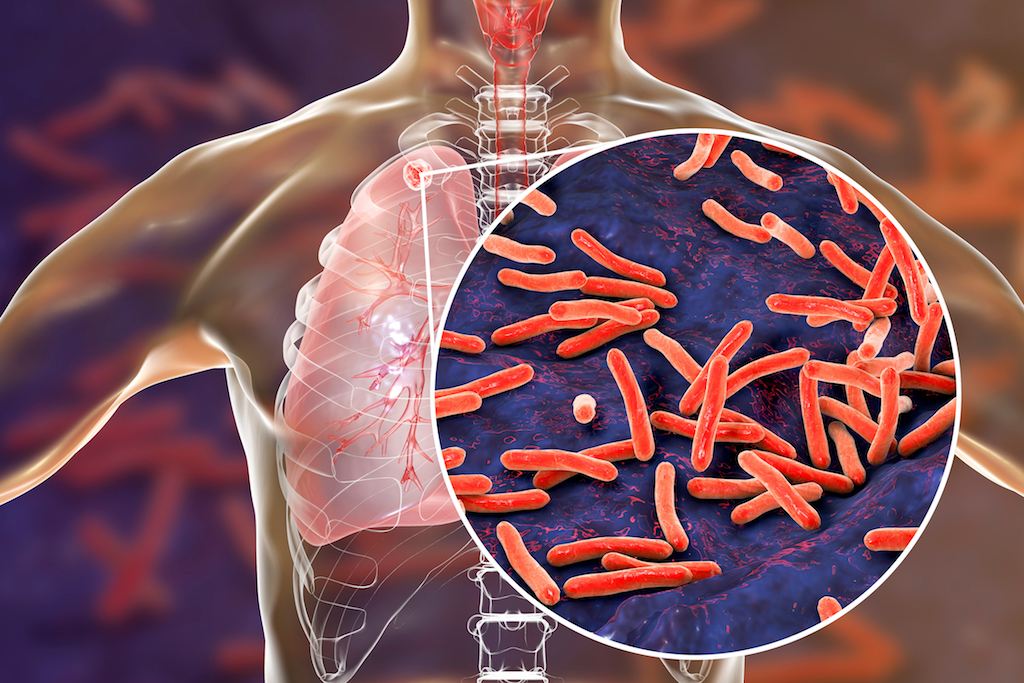
Today, we are discussing one of the most infectious diseases in the world, a disease that has affected humanity since ancient times and still remains one of the most destructive illnesses known today — Tuberculosis (TB).
Despite advances in modern medicine, Tuberculosis continues to pose a serious global health challenge, especially in developing countries.
What Is Tuberculosis (TB)?
Tuberculosis is an infectious disease caused by a bacterium called Mycobacterium tuberculosis.
TB mainly affects the lungs, but it can also spread to other parts of the body such as the brain, kidneys, spine, and abdomen.
TB bacteria are airborne. When an infected person coughs, sneezes, talks, or spits, tiny droplets containing the bacteria are released into the air. When these droplets are inhaled, the bacteria enter the lungs.
How TB Affects the Body
Once TB bacteria enter the lungs:
- The immune system sends special immune cells called macrophages to destroy the bacteria
- In people with strong immunity, the bacteria are controlled
- In people with weak immunity (HIV, diabetes, malnutrition, chronic illness), the bacteria multiply inside the macrophages
- The bacteria form colonies, destroy lung tissues, and reduce oxygen supply
This leads to severe chest pain, coughing blood, breathing difficulty, and widespread body symptoms.
TB can also trigger hormonal and metabolic changes, causing loss of appetite, weight loss, fever, night sweats, back pain, abdominal pain, and even brain involvement.
Is Tuberculosis Contagious?
✅ YES — TB is contagious, especially when untreated.
An infected person with active TB can spread the bacteria through:
- Coughing
- Sneezing
- Talking
- Spitting
However, not everyone who inhales TB bacteria becomes sick, which leads to the two main categories of TB infection.
Types of Tuberculosis
1️⃣ Latent TB Infection
- TB bacteria are present in the body
- No symptoms
- The person does not feel sick
- Cannot spread TB to others
- Can develop into active TB if untreated
2️⃣ Active TB Disease
- The person feels sick and shows symptoms
- TB bacteria multiply actively
- Highly contagious
- Can result from untreated latent TB
Common Symptoms of Tuberculosis
📌 Persistent cough (lasting more than 2 weeks)
📌 Coughing up blood
📌 Chest pain
📌 Fever
📌 Night sweats
📌 Weight loss
📌 Loss of appetite
📌 Fatigue and weakness
📌 Back or abdominal pain
Who Is Most at Risk?
- People with HIV/AIDS
- Diabetics
- Malnourished individuals
- Smokers
- Alcohol users
- People living in crowded or poorly ventilated areas
- Individuals with weak immune systems
Can Tuberculosis Be Prevented?
Yes, TB can be prevented by:
✔ Avoiding close contact with untreated TB patients
✔ Maintaining good hygiene
✔ Eating a healthy, nutritious diet
✔ Strengthening the immune system
✔ Seeking early medical or herbal care when symptoms appear
Early detection and proper care can save lives and stop the spread.
Global TB Facts
- About ¼ of the world’s population carries TB bacteria
- Only a small percentage develop active TB
- In 2018, 10 million people fell ill, but only 7 million were diagnosed
- Ending TB by 2030 is a global health goal
Herbal Solutions for Tuberculosis
There is ABSOLUTELY YES — a solution 🌸✨
The following herbal products are used to support recovery, strengthen immunity, detoxify the lungs, and restore overall health:
🌿 Red Tea
🌿 Royal Tea
🌿 Ashcure
🌿 Anticol
🌿 Danshen Plus
🌿 Kordy Capsules
🌿 Double Ginseng
🌿 White Balm (for inhalation)
🌿 Herbal Steamer Machine
These products work together to cleanse the system, support lung health, boost immunity, and improve overall well-being.
Conclusion
Tuberculosis is a serious but manageable and preventable disease. With proper awareness, early action, strong immunity, and the right natural support, TB can be controlled and overcome.
Health is wealth 🌸✨
Take care of your lungs, take care of your life.


 Vigo Capsule (Sexual Weakness, Quick Action)
₦24,500.00
Vigo Capsule (Sexual Weakness, Quick Action)
₦24,500.00
 Men Formula Pills (Low sperm count, infertility)
₦24,500.00
Men Formula Pills (Low sperm count, infertility)
₦24,500.00
 Prostasure Tablet (Prostate Enlargement)
₦19,400.00
Prostasure Tablet (Prostate Enlargement)
₦19,400.00
 Ki Vita Care Upgraded (Waist Pain and Kidney Weakness)
₦18,900.00
Ki Vita Care Upgraded (Waist Pain and Kidney Weakness)
₦18,900.00