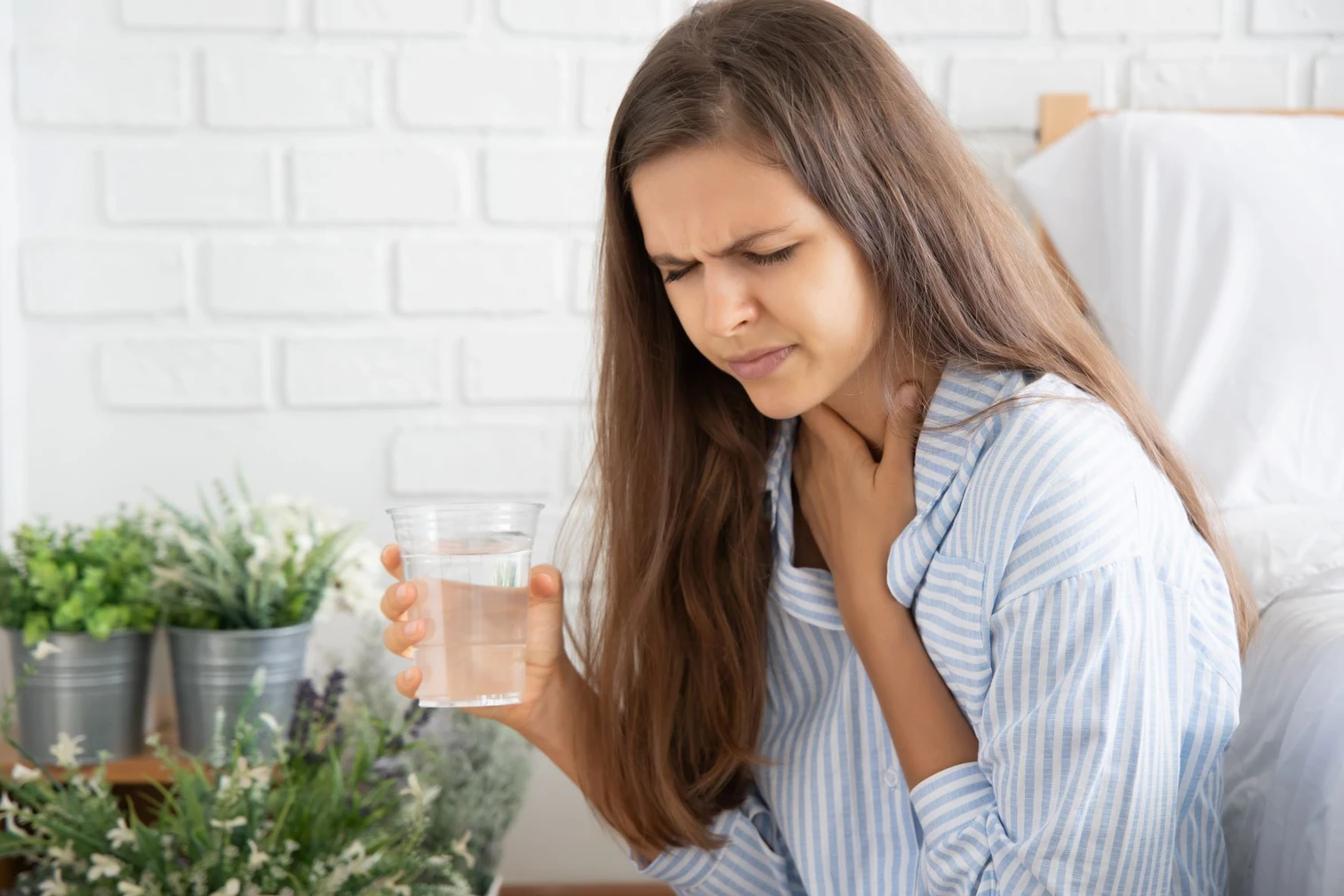
Hiccups are repeated, involuntary spasms of the diaphragm — the muscle that separates your chest from your abdomen and plays a key role in breathing. These spasms cause the vocal cords to close suddenly, producing the familiar “hic” sound.
Hiccups are usually harmless and short-lived, but persistent or frequent hiccups may signal an underlying issue that needs attention.
What Causes Hiccups?
Hiccups occur when the diaphragm contracts suddenly and involuntarily. This contraction interrupts normal breathing and triggers the closure of the vocal cords.
Most hiccups resolve on their own, but certain habits and conditions can trigger them more frequently.
Common Symptoms of Hiccups
Typical signs include:
- Repeated “hic” sound
- A sudden tightening or spasm sensation in the:
- Chest
- Upper stomach
- Throat
- Mild discomfort or irritation
In rare cases, long-lasting hiccups can interfere with eating, sleeping, or breathing.
Common Causes of Hiccups
Hiccups are often triggered by everyday activities, including:
- Eating too much or too quickly
- Drinking carbonated (fizzy) drinks
- Drinking excessive alcohol
- Swallowing air (aerophagia), such as:
- Chewing gum
- Smoking
- Talking while eating
Sudden temperature changes or emotional excitement may also contribute.
Lifestyle Tips to Prevent Hiccups 🌿✨
To reduce hiccup episodes:
- Eat slowly and in moderate portions
- Avoid fizzy drinks if you’re prone to hiccups
- Reduce alcohol intake
- Avoid chewing gum excessively
- Quit smoking
- Practice calm, steady breathing
Supportive Health Approach for Hiccups
Supporting digestion and calming the diaphragm can help stop recurrent hiccups.
Recommended Support Options
- Royal Tea – Supports digestion and internal balance
- Dark Tea – Helps soothe the digestive system
- Deli Tea – Supports gut relaxation and reduces irritation
Consistency helps improve digestive rhythm and diaphragm stability 🌸✨
When to See a Doctor
Seek medical attention if hiccups:
- Last longer than 48 hours
- Interfere with eating, sleeping, or breathing
- Are accompanied by chest pain, vomiting, or weight loss
Persistent hiccups may be linked to digestive, neurological, or metabolic conditions.
Final Thoughts
Hiccups are common and usually harmless, but frequent or prolonged hiccups deserve attention. Simple lifestyle adjustments and digestive support can significantly reduce episodes and restore comfort 🌺✨
Listening to your body is the first step toward lasting relief.


 Vigo Capsule (Sexual Weakness, Quick Action)
₦24,500.00
Vigo Capsule (Sexual Weakness, Quick Action)
₦24,500.00
 Men Formula Pills (Low sperm count, infertility)
₦24,500.00
Men Formula Pills (Low sperm count, infertility)
₦24,500.00
 Prostasure Tablet (Prostate Enlargement)
₦19,400.00
Prostasure Tablet (Prostate Enlargement)
₦19,400.00
 Ki Vita Care Upgraded (Waist Pain and Kidney Weakness)
₦18,900.00
Ki Vita Care Upgraded (Waist Pain and Kidney Weakness)
₦18,900.00