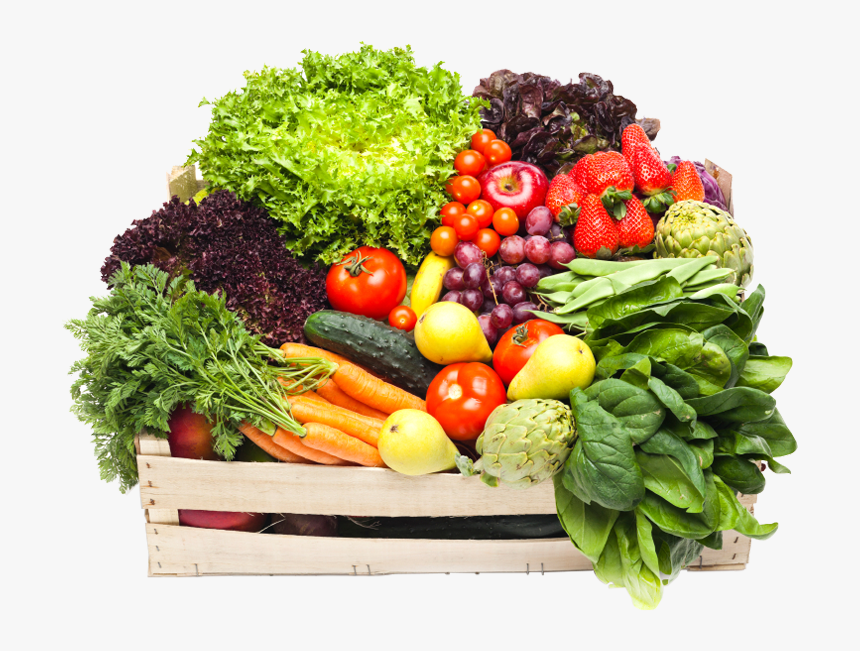
How What We Cook and Eat Affects Blood Sugar and Long-Term Health
Good health begins in the kitchen. Many lifestyle-related diseases today—including diabetes—are closely linked to how we prepare our food, what we eat, and how consistently we maintain healthy habits.
In this article, we will look at:
- Proper vegetable preparation
- The basics of diabetes
- The difference between Type 1 and Type 2 diabetes
- Lifestyle habits that help manage blood sugar
🥬 How We Cook Our Vegetables Matters
One common mistake many of us make when preparing vegetables—especially efo riro—is overcooking.
Often, vegetables are poured into boiling water and cooked for several minutes, after which the water is poured away. If you observe closely, the discarded water is usually green in colour.
What does this mean?
That green colour represents water-soluble nutrients, including important plant compounds like chlorophyll and vitamins. When the water is poured away, a large portion of these nutrients is lost. What remains is mostly fibre, which is still useful for digestion, but the nutritional value has been greatly reduced.
This is one reason why soups like ewedu are often recommended. Ewedu is cooked without pouring away the water, so its nutrients are better preserved.
👉🏽 Healthy cooking tip:
- Wash vegetables thoroughly with clean cold water
- Avoid prolonged boiling
- Cook vegetables briefly or add them towards the end of cooking
🧂 Seasoning Choices and Organ Health
Another issue is the excessive use of seasoning cubes during cooking. Many seasoning cubes contain high levels of sodium and additives, which—when used excessively—may place strain on the kidneys and liver.
Healthier alternatives include:
- Locust beans (iru)
- Crayfish
- Stock fish
- Natural spices
Using these reduces the need for excessive seasoning cubes and improves overall nutritional quality 🌸✨.
Also, when eating swallow meals, ensure that vegetables are more than the swallow, not the other way around.
🩺 Understanding Diabetes (In Simple Terms)
Diabetes, also known as diabetes mellitus, is a condition in which the level of glucose (sugar) in the blood becomes too high.
Glucose is an important source of energy, but when the body cannot regulate it properly, serious health problems can develop over time.
🧪 Types of Diabetes
There are several types of diabetes, but the two most common are:
🔹 Type 1 Diabetes
- Often develops in children and young adults
- Can occur at any age
- Caused by the body’s inability to produce insulin
- Symptoms may appear suddenly
Common symptoms include:
- Excessive thirst and urination
- Increased hunger
- Fatigue
- Blurred vision
- Unexplained weight loss
Without proper management, complications may affect the heart, kidneys, eyes, nerves, and mental health.
🔹 Type 2 Diabetes
- More common than Type 1
- Often develops in adults but can occur in younger people
- Strongly linked to lifestyle factors
Risk factors include:
- Overweight and obesity
- Physical inactivity
- Family history of diabetes
- Poor dietary habits
Type 2 diabetes occurs when the body becomes resistant to insulin or does not produce enough of it.
⚠️ Important Clarification About Diagnosis
Diabetes cannot be accurately diagnosed by:
- Frequent urination alone
- Measuring urine quantity
- Nighttime toilet visits alone
👉🏽 Proper diagnosis requires medical testing, such as:
- Fasting blood sugar test
- Random blood glucose test
- HbA1c test
🌿 Managing Diabetes Effectively
While diabetes may not always be “cured,” it can be effectively managed through:
- Healthy eating
- Weight control
- Regular physical activity
- Medical guidance
- Consistent monitoring
Some people also use supplements and wellness products as part of lifestyle support. However, these should never replace proper medical advice, especially for confirmed diabetes cases.
🌟 Final Thoughts
Diabetes is not a death sentence. With the right knowledge, discipline, and lifestyle choices, individuals can live full, productive, and healthy lives.
Healthy cooking, mindful eating, reduced chemical intake, and early medical attention make a powerful difference 🌸✨.
Your health is your greatest asset—protect it daily.


 Vigo Capsule (Sexual Weakness, Quick Action)
₦24,500.00
Vigo Capsule (Sexual Weakness, Quick Action)
₦24,500.00
 Men Formula Pills (Low sperm count, infertility)
₦24,500.00
Men Formula Pills (Low sperm count, infertility)
₦24,500.00
 Prostasure Tablet (Prostate Enlargement)
₦19,400.00
Prostasure Tablet (Prostate Enlargement)
₦19,400.00
 Ki Vita Care Upgraded (Waist Pain and Kidney Weakness)
₦18,900.00
Ki Vita Care Upgraded (Waist Pain and Kidney Weakness)
₦18,900.00