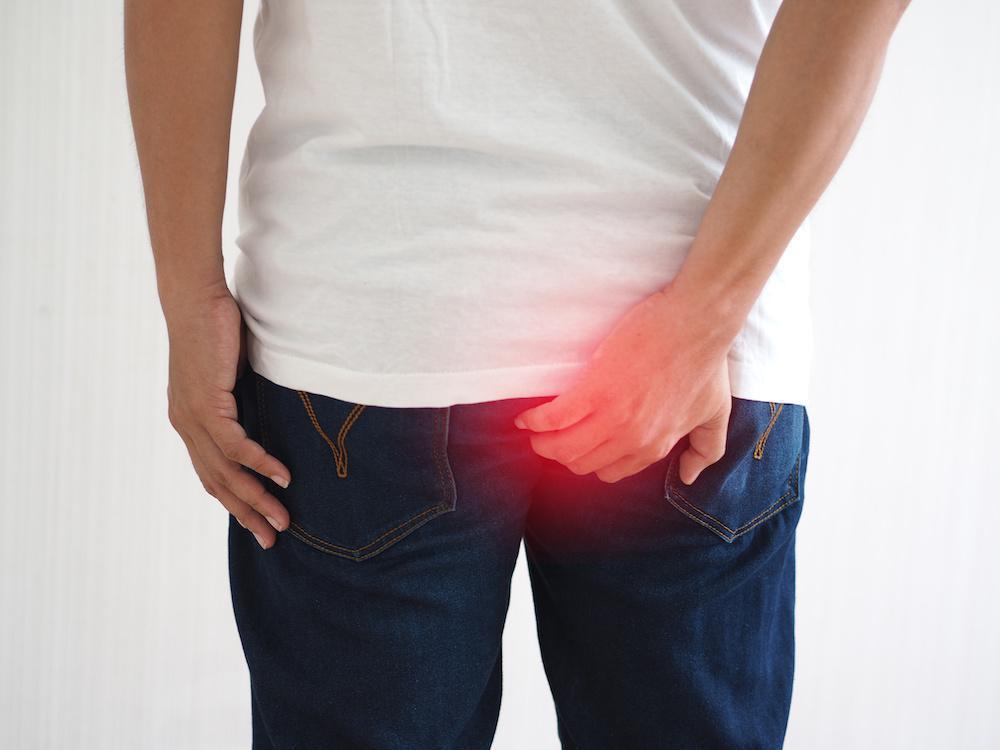
Anal pain refers to pain or discomfort felt in or around the anus and rectum, also known as the perianal region. The pain may be sharp, burning, throbbing, or persistent, and it can occur during or after bowel movements.
Anal pain is common and can result from several underlying conditions. Early attention is important to prevent worsening symptoms and complications.
Common Symptoms of Anal Pain
People experiencing anal pain may notice one or more of the following:
- 🔹 Passing stool less frequently than usual
- 🔹 Pain during bowel movement
- 🔹 Itching around the anus
- 🔹 Feeling a lump or swelling around the anus
- 🔹 Blood on toilet paper after wiping
- 🔹 Sharp pain while passing stool
- 🔹 Burning pain after bowel movement
- 🔹 Constant or throbbing pain in the anal area
⚠️ Persistent bleeding, severe pain, or swelling should not be ignored.
Common Causes of Anal Pain
Anal pain can arise from several conditions, including:
- Constipation – hard stool can strain and injure the anal lining
- Piles (Haemorrhoids) – swollen veins in the rectum or anus
- Haemorrhoids – internal or external, causing pain and bleeding
- Anal fissures – small tears in the lining of the anus
- Abscesses – collections of pus caused by infection
Identifying the underlying cause is essential for effective management.
Supportive Care Approach
Managing anal pain often requires a two-stage approach, focusing on detoxification, circulation, healing, and bowel regulation.
Stage 1: Detoxification & Relief Support
This stage focuses on cleansing, reducing inflammation, and improving bowel comfort:
🌿 Haem Pill
🌿 Detoxin Tablet
🌿 Dark Tea
These help support detoxification, circulation, and stool softening.
Stage 2: Healing & Digestive Support
The second stage supports tissue repair, digestion, and immune balance:
🌿 Chitomeal
🌿 Kordy Capsule
🌿 Double Ginseng
🌿 Camopill
Consistency is important for effective recovery.
Preventive Tips
To reduce the risk of anal pain:
- Drink plenty of water
- Eat fiber-rich foods
- Avoid straining during bowel movements
- Maintain good anal hygiene
- Respond early to constipation
Final Note
Anal pain is common but manageable when the root cause is properly addressed. Paying attention to bowel habits, diet, and early symptoms can prevent prolonged discomfort.
Your health is important 🌸✨
Listen to your body and act early.


 Vigo Capsule (Sexual Weakness, Quick Action)
₦24,500.00
Vigo Capsule (Sexual Weakness, Quick Action)
₦24,500.00
 Men Formula Pills (Low sperm count, infertility)
₦24,500.00
Men Formula Pills (Low sperm count, infertility)
₦24,500.00
 Prostasure Tablet (Prostate Enlargement)
₦19,400.00
Prostasure Tablet (Prostate Enlargement)
₦19,400.00
 Ki Vita Care Upgraded (Waist Pain and Kidney Weakness)
₦18,900.00
Ki Vita Care Upgraded (Waist Pain and Kidney Weakness)
₦18,900.00