Introduction
Good morning everyone 🌸✨
How are you all doing today?
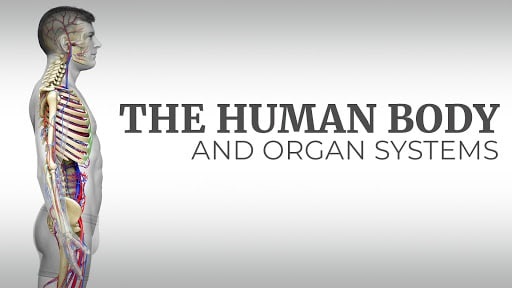
This blessed morning, I want us to take a closer look at the human body system — the amazing structure created by God that works tirelessly every day to keep us alive, active, and functional.
Understanding how our body works helps us appreciate our health better and encourages us to take proper care of ourselves.
The Heart: The Engine of Life ❤️
The heart is one of the most vital organs in the human body. It is located slightly to the left side of the chest and functions as a powerful pump that circulates blood throughout the body.
How the Heart Works
The heart has four chambers:
- Right atrium
- Right ventricle
- Left atrium
- Left ventricle
Deoxygenated blood enters the right atrium, moves to the right ventricle, and is pumped to the lungs for oxygenation. Oxygen-rich blood then returns to the left atrium, flows into the left ventricle, and is pumped to the rest of the body.
Amazing Heart Facts
- Pumps about 2,000 gallons of blood daily
- Beats about 100,000 times per day
- Beats over 2.5 billion times in a lifetime
The Brain: The Control Center 🧠
The brain is the command center of the body. It controls thinking, movement, emotions, breathing, and heart rate.
Major Parts of the Brain
- Cerebrum: Controls thinking, learning, memory, and voluntary movement
- Cerebellum: Maintains balance and coordination
- Brain Stem: Controls involuntary actions like breathing and digestion
- Amygdala: Regulates emotions and survival instincts
Did You Know?
The brain generates enough electricity to power a small LED bulb and becomes more receptive to learning after physical exercise.
The Skin: The Body’s Protective Shield 🧴
The skin is the largest organ of the body and acts as the first line of defense.
Layers of the Skin
- Epidermis – Outer protective layer
- Dermis – Contains sweat glands, hair follicles, and nerves
- Hypodermis – Stores fat and insulates the body
The skin helps regulate temperature, protect against germs, absorb vitamin D, and allow us to feel touch, heat, and cold.
The Urinary System: Waste Disposal 🚽
The urinary system removes liquid waste from the body.
Organs Involved
- Kidneys
- Ureters
- Bladder
- Urethra
Holding urine for too long can weaken the bladder and increase infection risk. Listening to your body is essential for long-term health.
Hair: More Than Beauty 💇🏽♂️
Hair helps protect the head, regulate temperature, and perform specific functions such as:
- Eyelashes blocking dust
- Eyebrows preventing sweat from entering the eyes
Hair grows from follicles beneath the skin and goes through growth, rest, and shedding cycles.
Nose: Breathing and Smelling 👃
The nose filters, warms, and moistens the air before it enters the lungs. It also contains receptors that allow us to detect smells.
Fun Fact
Loss of smell is called Anosmia, which can be temporary or permanent depending on the cause.
Nails: Small but Important 💅
Nails protect fingers and toes and help with gripping and scratching.
They are made of keratin, the same protein found in hair and skin. Nail appearance can sometimes indicate underlying health issues.
Ears: Hearing the World 👂
The ear converts sound waves into signals the brain can interpret.
Three Main Parts
- Outer ear
- Middle ear
- Inner ear
Sound vibrations travel through the eardrum and tiny bones into the cochlea, where they are converted into nerve signals.
Teeth: Tools for Eating and Speaking 😁
Humans have:
- Incisors – cutting food
- Canines – tearing
- Premolars & Molars – grinding
Adults typically have 32 teeth, including wisdom teeth.
Tongue: Taste and Speech 👅
The tongue helps:
- Taste food
- Form speech
- Push food into the digestive tract
Taste buds detect sweet, sour, bitter, and salty flavors, working closely with the sense of smell.
Muscles: Movement and Strength 💪
The body contains over 600 muscles, which allow movement, posture, and strength.
Types of Muscles
- Skeletal (voluntary)
- Smooth (involuntary)
- Cardiac (heart muscle)
Muscles grow stronger with exercise, proper nutrition, and adequate rest.
Conclusion
The human body is a masterpiece of design and coordination. Each system works together to support life, movement, and health.
When we understand how our body functions, we are better equipped to protect it, nourish it, and live healthier lives.
That’s all for today 🌸✨
Stay healthy and stay informed.


 Vigo Capsule (Sexual Weakness, Quick Action)
₦24,500.00
Vigo Capsule (Sexual Weakness, Quick Action)
₦24,500.00
 Men Formula Pills (Low sperm count, infertility)
₦24,500.00
Men Formula Pills (Low sperm count, infertility)
₦24,500.00
 Prostasure Tablet (Prostate Enlargement)
₦19,400.00
Prostasure Tablet (Prostate Enlargement)
₦19,400.00
 Ki Vita Care Upgraded (Waist Pain and Kidney Weakness)
₦18,900.00
Ki Vita Care Upgraded (Waist Pain and Kidney Weakness)
₦18,900.00